Classquest duration
: 45 minutes
Target audience
: Ages from 7 to 12
In this class quest the students will find out what hacking is, what the consequences of cyberbullying can be and what choices you can make. Sanne goes on a warpath, because she is being bullied, and uses hacking for that. Together with the class, she finds out that this isn't the best way to combat bullying, but that she could use her hacker skills in a good way.
Learning goals
Students learn…
How to explain what cybercrime is.
That as a hacker you can decide to join the good or the bad people.
The parallel or link between online and offline crime (breaking into a house is illegal, breaking into a digital environment is also illegal).
What consequences cybercrime can have for themselves and for victims.
How they can train their digital skills safely and in a good manner.
Link to DigComp*
D2 communication and collaboration
D4 safety, wellbeing, and responsible use
*DigComp (the Digital Competence Framework for Citizens) is an EU framework that describes the digital skills people need to use technology confidently, safely, and responsibly. For primary school teachers, it provides a clear reference for helping children learn basic skills such as finding information online, creating simple digital content, staying safe on the internet, and behaving respectfully in digital environments. DigComp supports a shared European understanding of what “being digitally competent” means at different ages.
Necessities
Interactive board
Create an account here in advance. If you want to practice a quest beforehand, click ‘practice’ at the start. This takes about half an hour.
Glossary
Trolls: fake accounts used to harass one person with many accounts at the same time.
Bystanders: People who witness a situation where someone is being bullied and not participate in it, but also not defend anyone.
White hat hacker: as an ethical hacker you use your talent for good things. You're not trying to hack into systems to get money or data steal but you try to hack them to show how they can make the systems more secure.
Black hat hacker: a criminal hacker who uses his skills to get information or steal money.
Firewall: an online defense system that tries to keep your network and computer safe and virus & spyware free.
Malware: a combination of 'malicious' and 'software', thus malicious software. It is a piece of code that is written for the purpose of stealing, damaging or disrupting data, networks or hosts.
Virus scanner: a program that checks the computer for the presence of viruses.
Server: computer that provides services to other computers, such as sending messages, online searches, or store data.
The lesson
Introduction - 10 min
Explain to the students that you are going to talk about hacking. What is hacking? Why would you do it? And is that actually possible?
Introduction questions
Has it ever happened to you or do you know someone who was hacked?
What did you do to fix this?
What do you do to prevent hacking of your account?
Have you ever logged into an account that didn't belong to you?
Have you ever hacked yourself? Why did you do that?
Core - 30 min
Indicate that you are now going to start the game as a class and discuss in advance the rules and divisions between students or groups that suit your class. Start the quest on the interactive whiteboard! Look under the heading "tips" for extra explanations about the lesson on the digital whiteboard.
Class activities in the quest
As a teacher, you can choose whether you want to do the activities (during the quest). You can of course also discuss the questions at another time!
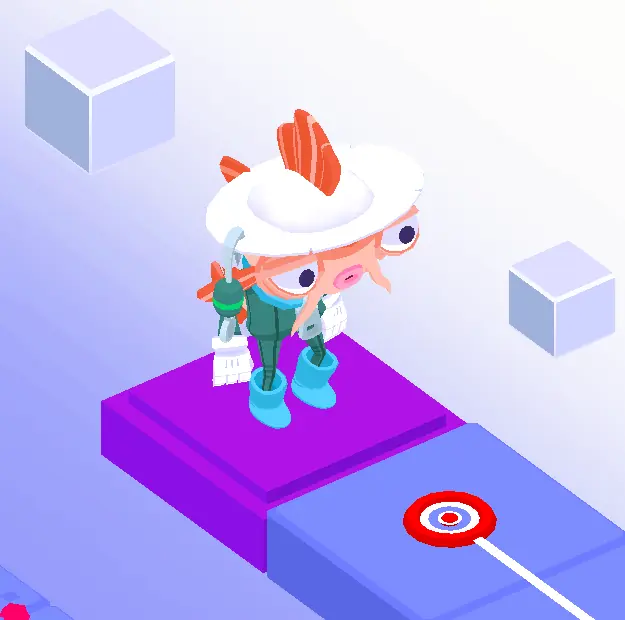
The following questions are offered as classroom activities by Koi (see illustration):
What do you think could be a reason for someone experiencing cyberbullying?
Suggestions:
Afraid of being bullied yourself and therefore joining the other 'camp'.
Being angry or sad and wanting to vent to feel better.
Sanne hacks here because she is being bullied. But what could be other reasons to start hacking?
Suggestions:
To check whether a website is safe.
To steal money
Curiosity
Recognition or appreciation
Just very cool
“He must have hacked someone at one point or another”
“He had a bad password”
“It's not our fault he doesn't secure his computer/account”
“There are no victims anyway”
“There is no (financial) damage after all”
“It's not like we're breaking anything”
“He learns from this again”
“It's just a joke”
“I'm not doing anything wrong”
“The whole class participates” (peer pressure)
What could be the consequences of hacking? What can you expect?
Community service
Pay compensation
A fine! Can add up quite a bit..
Getting expelled from school
Appearing in court
Reported to the police: getting a criminal record
Not getting pocket money
Losing friends
House arrest
Made someone sad
A bad conscience
Account banned on xbox/PS/steam etc.
Apologize to victim
Puzzles and Energizers
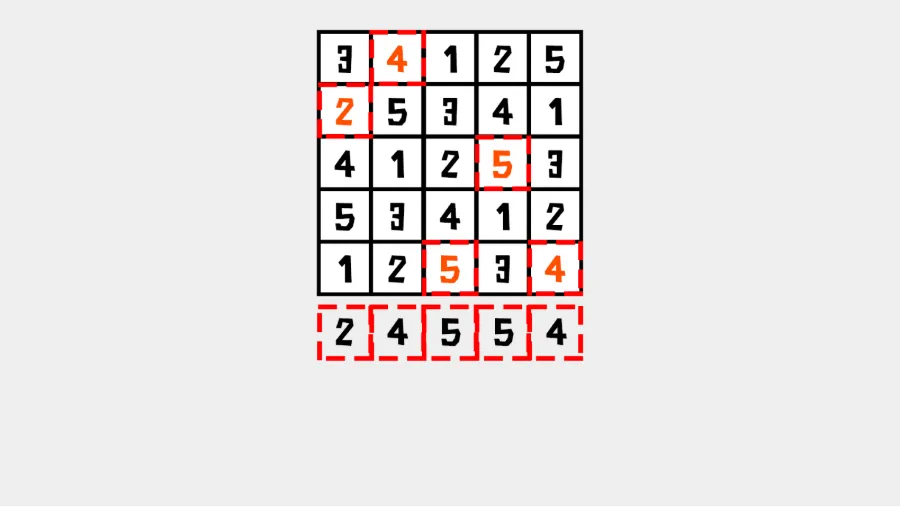
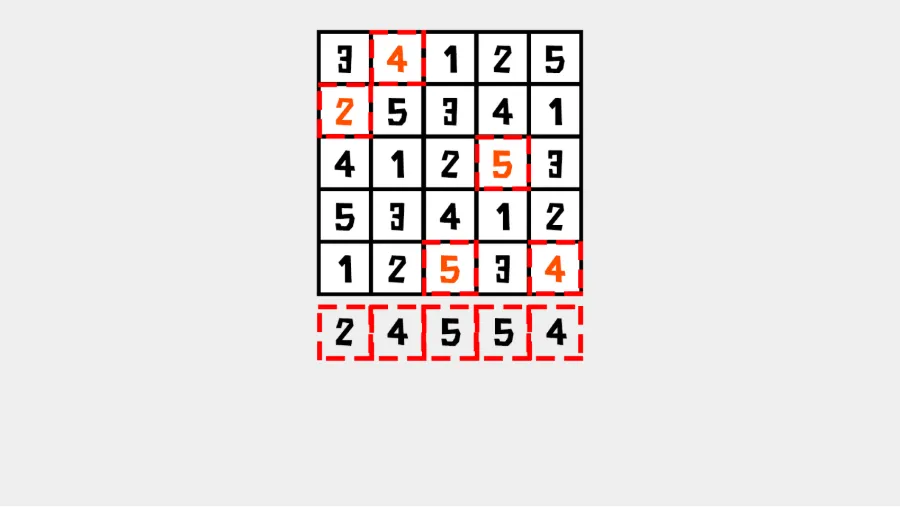
In addition to classroom activities, each classroom quest includes at least one puzzle and energizer. The puzzle and solution can be found in appendix 1.
The energizer in this quest is “Stand up if...”. In the quest, you are guided step by step through the rules of this game. But you can also read them here:
Everyone sit down and stand up if: You think Sanne should get back at the school and her class because she is being bullied. Discuss why you stood up or stayed seated.
What do you consider to be online bullying? Everyone sit down again, and stand up if: You have ever been bullied online. Discuss why you stood up or stayed seated.
Then sit down again, and stand up if: You have ever bullied someone online. This is really important to discuss as a class!
Closing - 10 min
Ask the students what they have learned. Can they now tell what was wrong with Sanne?
Final questions:
What can you do to make sure you can't be hacked easily?
Answers:
Make sure you have a good password, or better yet, a passphrase!
Provide different passwords for different accounts
Ensuring two-step verification
Never share your password with anyone!
Using a virus scanner
Using a firewall
What are you allowed to do if you are good at hacking? What can you do with those skills?
Answers:
Become an ethical hacker / White hat hacker to ensure that companies or individuals know where they are not properly protected and can do something about it.
Create an account at HackShield.
Tips
To add a dynamic touch, consider having students take turns reading the text, making the experience even more engaging.
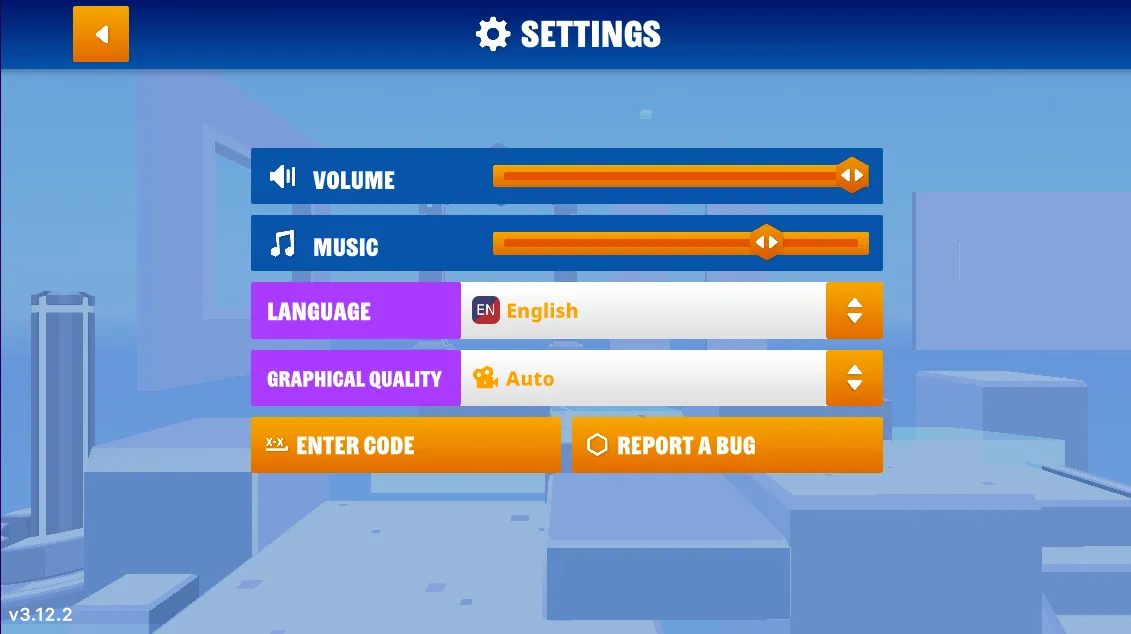
If you prefer a silent quest, you have the option to turn off the sound. Simply navigate to the game's options menu, and you'll find the accompanying images on the right.
Now, let's dive into the heart of our quest! Navigate to the game’s options menu where you can turn off the music.